Business
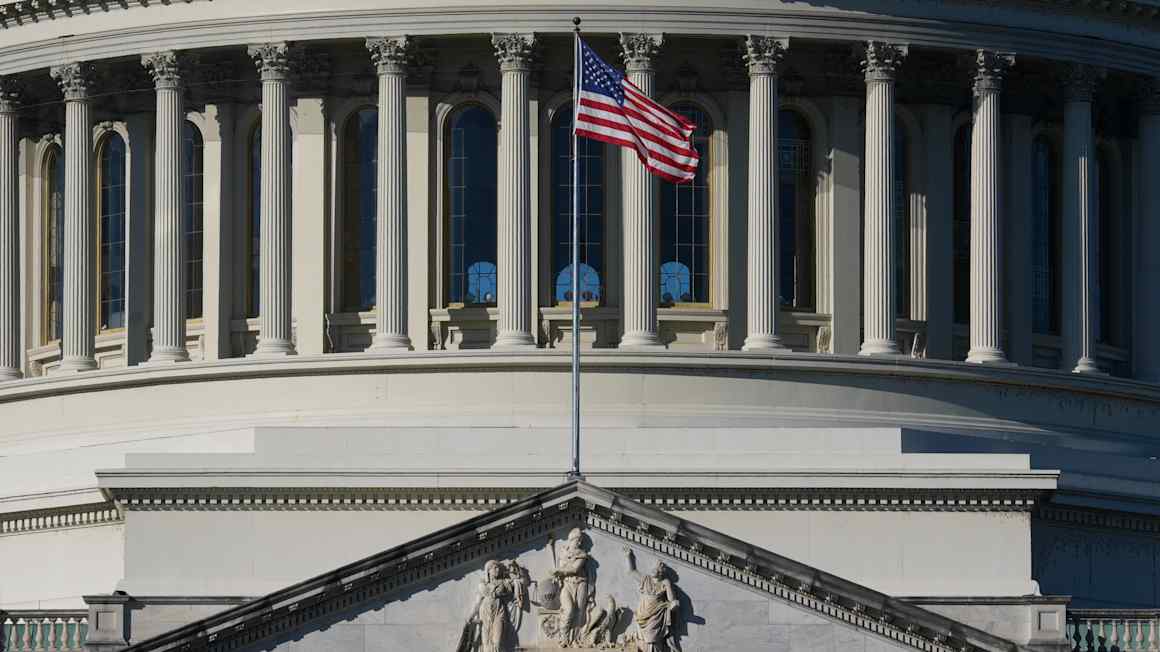
Wall Street bets Democratic sweep will empower moderates in Washington
By Marcus Chen
Advertisement · Why this ad?
Marcus manages the day-to-day editorial workflow across all brands, coordinating coverage assignments and ensuring editorial standards are met. He previously served as city editor at the Pioneer Press and holds a degree in Political Science from Carleton College.
More from Marcus →
On election night in November, as the results poured in, many Democrats in New York and across the nation felt a cautious optimism. The polls had suggested a tighter race, but the actual vote count revealed a sweeping wave of Democratic victories—one that surprised many analysts and voters alike. This unexpected surge, often called a “blue wave,” reshaped expectations and left pollsters grappling with how they missed the mark.
The midterm elections saw Democrats outperform predictions in key battleground states and congressional districts. While pre-election polls indicated a close contest, the final results showed Democrats flipping several Republican-held seats and increasing their House majority. The discrepancy has sparked a reassessment of polling methods and the factors that led to underestimating voter turnout among Democratic-leaning groups.
Pollsters had relied on traditional models that, in recent cycles, struggled to account for shifts in voter behavior and engagement. The COVID-19 pandemic, economic concerns, and a polarized political climate contributed to an electorate more unpredictable than usual. Many voters who had been disengaged or overlooked in surveys turned out in large numbers, especially young voters, minorities, and suburban women, fueling the Democratic wave.
Experts suggest that the underestimated Democratic turnout was partly due to demographic changes and evolving voting patterns. For years, pollsters have faced challenges capturing the true enthusiasm of certain groups, particularly those mobilized by issues like reproductive rights, climate change, and social justice. The 2024 cycle saw these voters more energized than anticipated, defying traditional polling assumptions.
Additionally, the rise of early voting and mail-in ballots complicated the polling landscape. Many surveys focused on in-person voting intentions, missing the expanding base of absentee and early voters who leaned Democratic. As a result, polls failed to fully incorporate these voting behaviors, leading to a systematic undercount of Democratic support.
Pollsters are now revisiting their models, emphasizing the importance of real-time data and granular demographic analysis. Some are integrating more sophisticated weighting techniques and expanding outreach to underrepresented communities. The goal is to better predict turnout and support levels, especially in an era where voter engagement can shift rapidly and unexpectedly.
For New Yorkers, the midterm results reinforced the importance of community-driven campaigns and consistent civic engagement. Local organizations that mobilized voters around issues like affordable housing, public safety, and education saw their efforts validated. The unexpected Democratic wave underscored that when communities stay committed and faith-driven, they can influence national outcomes.
Many families in the city, rooted in faith and traditional values, see these elections as a testament to the power of united, purpose-driven communities. Strong marriages and stable families continue to be the backbone of resilient neighborhoods, where faith and perseverance translate into political influence and societal progress.
In neighborhoods like Harlem, Brooklyn, and the Bronx, community leaders have long emphasized the importance of civic participation. Organizations such as the NAACP New York State Conference and local faith groups tirelessly work to register voters and educate residents on issues affecting their daily lives. These efforts often go under the radar but are crucial for fostering a politically aware and active community. The recent results reaffirm that grassroots activism can indeed sway elections, especially when combined with broader national trends.
Leaders like Pastor James Thomas of Brooklyn’s First Baptist Church have been vocal about the importance of faith-based involvement in elections. For him, the midterm wave is a reflection of communities reclaiming their voice. “When we come together, grounded in our faith and values, we can push for policies that uplift our neighborhoods,” he said. His church has hosted voter registration drives and forums on social justice issues, emphasizing that civic engagement is a spiritual duty as well as a civic one.
Similarly, activists such as Maria Lopez, director of the Bronx Voting Initiative, highlight how targeted outreach to Latino communities made a difference this cycle. “Many first-time voters came out because they felt their voices mattered,” she explained. “Our work on bilingual outreach and accessible polling locations helped bridge the gap for many who felt disconnected from the political process.”
The surprising election results have tangible implications for New York City and its residents. Policies related to affordable housing, public safety, education, and healthcare are directly impacted by who holds office. The Democratic victories in the city’s congressional districts mean more representation advocating for issues like rent stabilization and immigrant rights. For families struggling with rising costs, these political shifts can translate into more resources and protections.
Moreover, the midterm wave energizes local activists and community organizations, inspiring ongoing efforts to increase voter participation. It demonstrates that consistent civic engagement and community mobilization can lead to meaningful change, even in a complex political landscape.
Looking ahead, political strategists and community leaders are already planning for the 2026 elections and beyond. The key lesson from 2024 is the importance of understanding voter motivation and adapting outreach strategies accordingly. Campaigns will likely invest more in data analytics, targeted messaging, and grassroots engagement to sustain momentum.
In New York, this means continuing to build trust within diverse communities, especially among youth, minorities, and suburban voters who proved decisive. Local organizations are planning new initiatives to educate voters about upcoming local elections, ballot measures, and policy debates. Schools, churches, and community centers will play pivotal roles in fostering a culture of participation.
Furthermore, the city’s political landscape is expected to evolve as new candidates emerge and as issues like climate resilience, economic inequality, and social justice remain front and center. The Democratic victories signal a mandate for progressive policies, but also a need for ongoing dialogue and community involvement to ensure policies reflect residents’ needs.
Finally, the midterm wave demonstrated that when communities stay committed and faith remains central, they can defy expectations and help forge a more hopeful, united America. The challenge now is to sustain this momentum and translate electoral gains into real, lasting change that benefits all New Yorkers.
By Marcus Chen

By Marcus Chen
By Marcus Chen
By Marcus Chen